Treatment Basics
What to eat on tirzepatide: a practical, non-restrictive guide
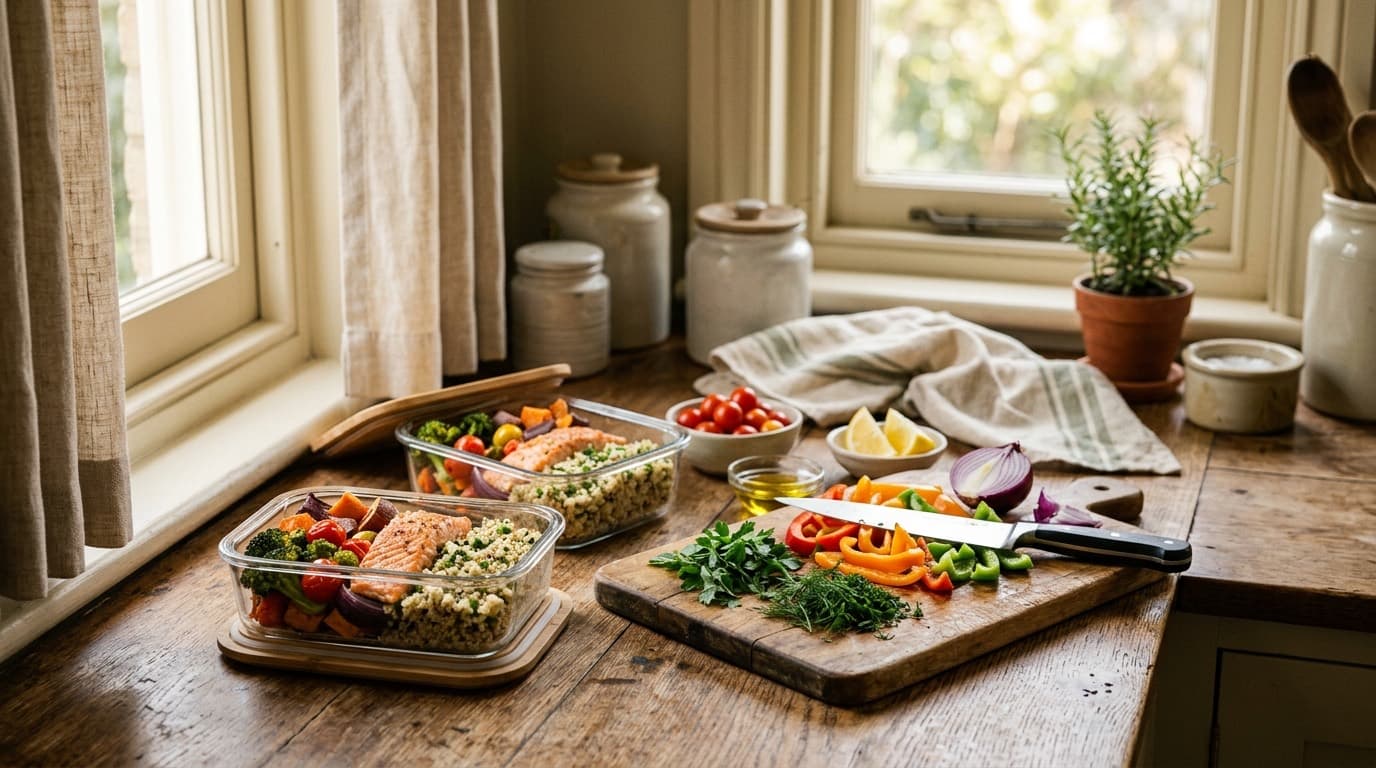
If you have spent years cycling through meal plans, counting macros, and still hearing a constant mental loop of 'what should I eat next, did I eat too much, when can I eat again' — that loop has a name. Researchers call it food noise, and it is not a character flaw. It is a biological signal driven by hormones like ghrelin and by a brain that has been trained, through repeated dieting, to treat scarcity as a threat. Tirzepatide — the active molecule in the FDA-approved brand-name products Zepbound and Mounjaro — acts on GIP and GLP-1 receptors to quiet that signal at the source. Most people prescribed it report that food noise drops significantly within the first few weeks. That shift creates a genuine window to build eating habits that feel sustainable, not punishing.
This guide is about making the most of that window. It is not a strict meal plan. It does not assign foods a moral value. It is a practical framework grounded in what the research shows about nutrition on GIP/GLP-1 receptor agonists, written for someone who is tired of being told to 'just try harder.'
Why food choices still matter even when appetite is suppressed
Tirzepatide meaningfully reduces appetite and slows gastric emptying, which means you will likely eat less without deliberate restriction. In the SURMOUNT-1 trial, participants taking the 15 mg dose of the tirzepatide molecule achieved a mean body-weight reduction of approximately 20.9 percent over 72 weeks (Jastreboff et al., NEJM, 2022). Those are trial results for the tirzepatide molecule under controlled conditions — individual results vary, and compounded tirzepatide, prepared by a US-licensed compounding pharmacy under a valid prescription, is not an FDA-approved finished drug product. But the underlying mechanism is real, and it creates a specific nutritional challenge: when you are eating significantly less, every bite carries more nutritional weight.
The NIH 'Biggest Loser' follow-up study (Fothergill et al., 2016) showed that sustained calorie reduction triggers lasting metabolic adaptation — your resting metabolic rate drops more than body size alone would predict, and it tends to stay lower. This means that protecting muscle mass and micronutrient intake is not optional. If most of your reduced calories come from ultra-processed foods, you risk losing lean tissue and ending up with fatigue, hair thinning, and a slower metabolism. Choosing nutrient-dense foods is not about being virtuous. It is about making the medication's effect last.
Foods to prioritize
The goal is protein first, then fiber, then everything else. Protein preserves muscle tissue during weight loss and keeps you satisfied longer on smaller portions. Fiber slows digestion, stabilizes blood glucose, and feeds the gut bacteria that influence satiety hormones. Neither requires a specialty diet or expensive ingredients.
- Protein at every meal: eggs, Greek yogurt, cottage cheese, chicken, fish, lean beef, tofu, edamame, legumes. Aim for roughly 25 to 35 grams per meal if tolerated. Many people on tirzepatide find high-protein foods most satisfying on smaller volumes.
- Non-starchy vegetables: spinach, broccoli, zucchini, cucumber, bell peppers, cauliflower. High in fiber and micronutrients, low in calories, and they rarely trigger the nausea that heavy or fatty meals can cause.
- Whole grains in modest portions: oats, brown rice, quinoa, whole-grain bread. These stabilize blood sugar better than refined carbohydrates and support energy between meals.
- Healthy fats in small amounts: avocado, olive oil, nuts, seeds. Fat slows gastric emptying further, so a little goes a long way when your stomach is already processing food more slowly.
- Hydrating foods: soups, smoothies, watermelon, cucumbers. Because tirzepatide slows gastric emptying and reduces thirst cues in some people, soft and liquid-rich foods help you stay hydrated without feeling overfull.
- Calcium and vitamin D sources: fortified dairy or plant milks, sardines, leafy greens. Bone density is worth protecting during any period of significant weight loss.
Foods and habits that tend to cause problems
You are not forbidden from any food. But certain choices reliably worsen the most common tirzepatide side effects — nausea, bloating, reflux, and loose stools — especially in the early weeks when your dose is ramping up.
- High-fat meals: fried foods, fast food, heavy cream sauces, and fatty cuts of meat sit in a slowed stomach for a long time and are the most common trigger for nausea. You do not have to eliminate them, but smaller portions and less frequency make a real difference.
- Ultra-processed snack foods: chips, crackers, and candy are calorie-dense but not satiating or nutritious. When you are eating less overall, these tend to displace the protein and fiber your body needs.
- Large portion sizes: tirzepatide reduces your stomach's tolerance for volume. Eating past the first signal of fullness often causes discomfort or vomiting. Smaller, slower meals are more comfortable and ultimately more effective.
- Carbonated drinks: the gas can worsen bloating. Plain water, herbal tea, and still flavored water are easier on the digestive system.
- Skipping meals entirely: some people feel so little hunger that they forget to eat for most of the day. Under-eating consistently can accelerate muscle loss and lead to micronutrient deficiencies. A loose structure of two to three eating occasions per day is usually healthier than relying entirely on hunger cues that may be significantly blunted.
- Alcohol: GLP-1 receptor agonists alter the way many people respond to alcohol, sometimes increasing sensitivity. They may also mask the usual hunger cues that signal low blood sugar. Drinking on an empty stomach carries more risk than it did before starting the medication.
Practical meal-building without a rigid plan
You do not need to track every gram or follow a specific protocol. A simple plate-building approach works for most people: fill half the plate with vegetables, a quarter with a protein source, and a quarter with a whole grain or starchy vegetable. Add a small amount of healthy fat. Eat slowly. Stop when you feel comfortably full rather than when the plate is empty.
If nausea is a problem, cold or room-temperature foods are often better tolerated than hot meals. Soft textures — yogurt, scrambled eggs, smoothies, soups — are easier to manage than dense or chewy foods early in treatment. As your dose stabilizes, tolerance usually improves and your food variety can expand.
Supplement gaps where needed. A standard multivitamin is a reasonable baseline. If your intake of dairy or fortified foods is low, consider a calcium and vitamin D supplement. If fatigue or hair changes appear after several months, ask your provider about checking iron and B12 levels. These are not signs that the medication is failing — they are manageable and expected consequences of eating substantially less.
One more thing worth saying directly: the quieting of food noise that most people experience on tirzepatide is not a trick and it is not willpower finally working. SURMOUNT-5 data showed the tirzepatide molecule produced approximately 20.2 percent mean weight reduction compared to 13.7 percent for semaglutide over the study period — that difference reflects a genuine pharmacological distinction, not effort. Your body's response to this medication is biology. The food choices you make on top of it are simply tools to support what the biology is already doing.
Keep reading
This article is for informational purposes only and does not constitute medical advice. Compounded tirzepatide is not FDA-approved. A licensed provider determines whether treatment is appropriate for you. Read how we source and review content and the references behind the clinical figures used on this site.